Cleaner, quieter berth operation
Reducing or stopping auxiliary generators cuts onboard fuel burning at berth, lowering local exhaust emissions, vibration and noise. Overall carbon benefit depends on the shore electricity mix.

Engineering services for shipowners, shipyards and ports, covering shore power, dry docking and shipyard tooling with project planning, site coordination, acceptance and after-service support.
Shore power — also known as OPS, AMP or cold ironing — supplies a berthed vessel from the port electrical grid. A complete system can include frequency and voltage conversion, distribution, protection, interlocking, cable management, ship-side receiving equipment and controlled transfer to the vessel switchboard.
The value of shore power comes from the complete ship–shore system: energy conversion, safe transfer, cable handling, automation, monitoring and lifecycle support all work together.
Reducing or stopping auxiliary generators cuts onboard fuel burning at berth, lowering local exhaust emissions, vibration and noise. Overall carbon benefit depends on the shore electricity mix.
Where shore electricity is economically favourable, shore power can reduce berth fuel consumption while also reducing auxiliary-engine running hours and related maintenance demand.
Static frequency conversion and transformer options match shore-grid power to the vessel requirement, supporting 50/60 Hz and project-specific LV or HV distribution.
Synchronising checks, interlocks, protection logic and automated transfer sequences can reduce the risk of interruption, incorrect operation and inrush during ship–shore changeover.
Modular converters, multiple feeders and flexible cable-management layouts can be configured for different vessel classes, berthing positions and high-power hotel or cargo-working loads.
PLC/HMI automation can support guided or one-touch operating sequences, remote status monitoring, alarms, energy data and optional cloud/edge analytics for lifecycle management.
Power conversion, cable management, interlocking, protection and operating sequence are coordinated as one system.
The final package is defined from port grid conditions, vessel voltage and frequency, load demand, berth layout, cable route, transfer philosophy and class requirements.
The system can be configured around berth conditions, cable handling requirements, vessel interfaces and class expectations, with coordinated equipment on both sides of the connection.
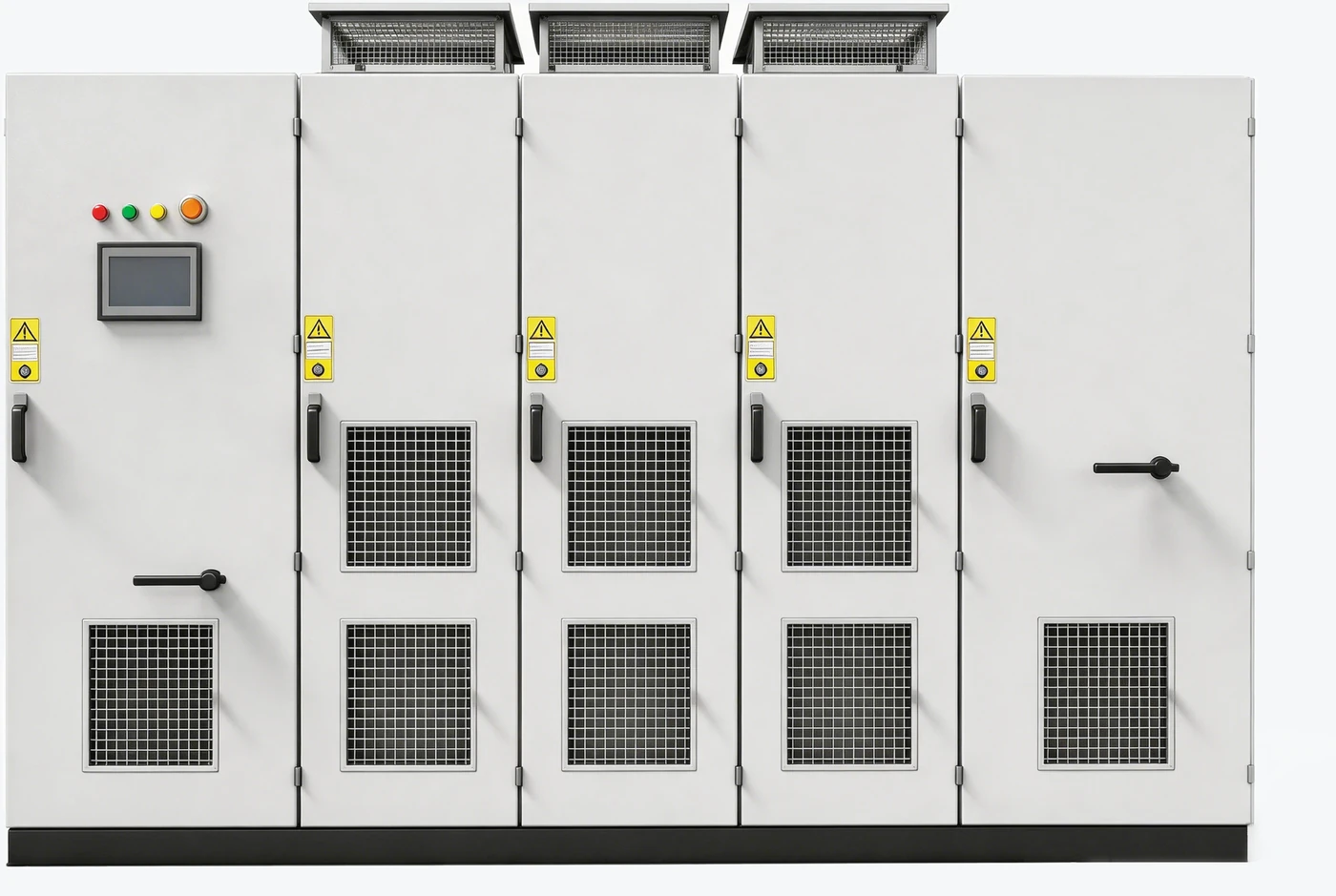
Converts shore grid power to the voltage and frequency required by the vessel, while maintaining stable output and coordinated protection.
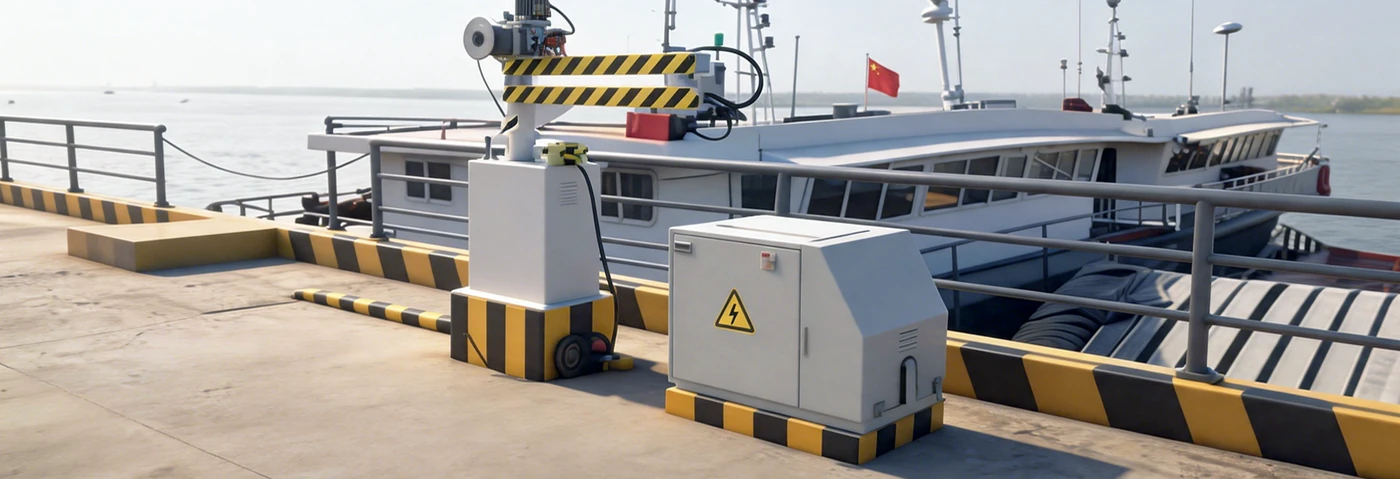
Provides the protected shore-side connection point for power cables, helping organise cable routing and safe energisation at berth.
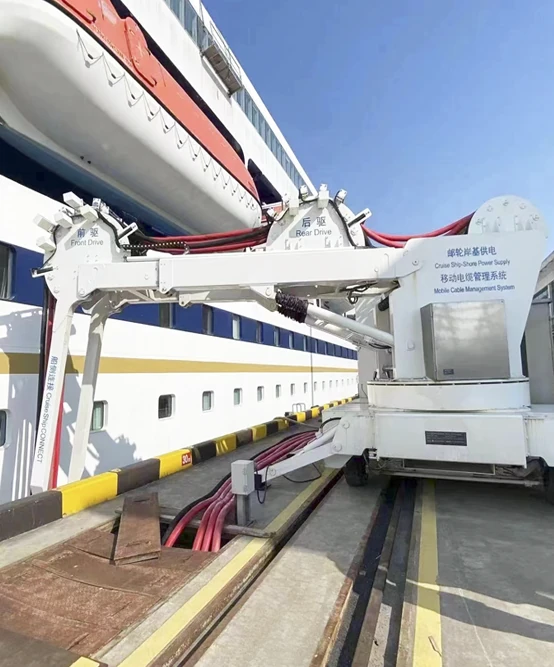
Supports cable storage, payout and recovery between berth and vessel, improving handling efficiency and reducing manual cable work.
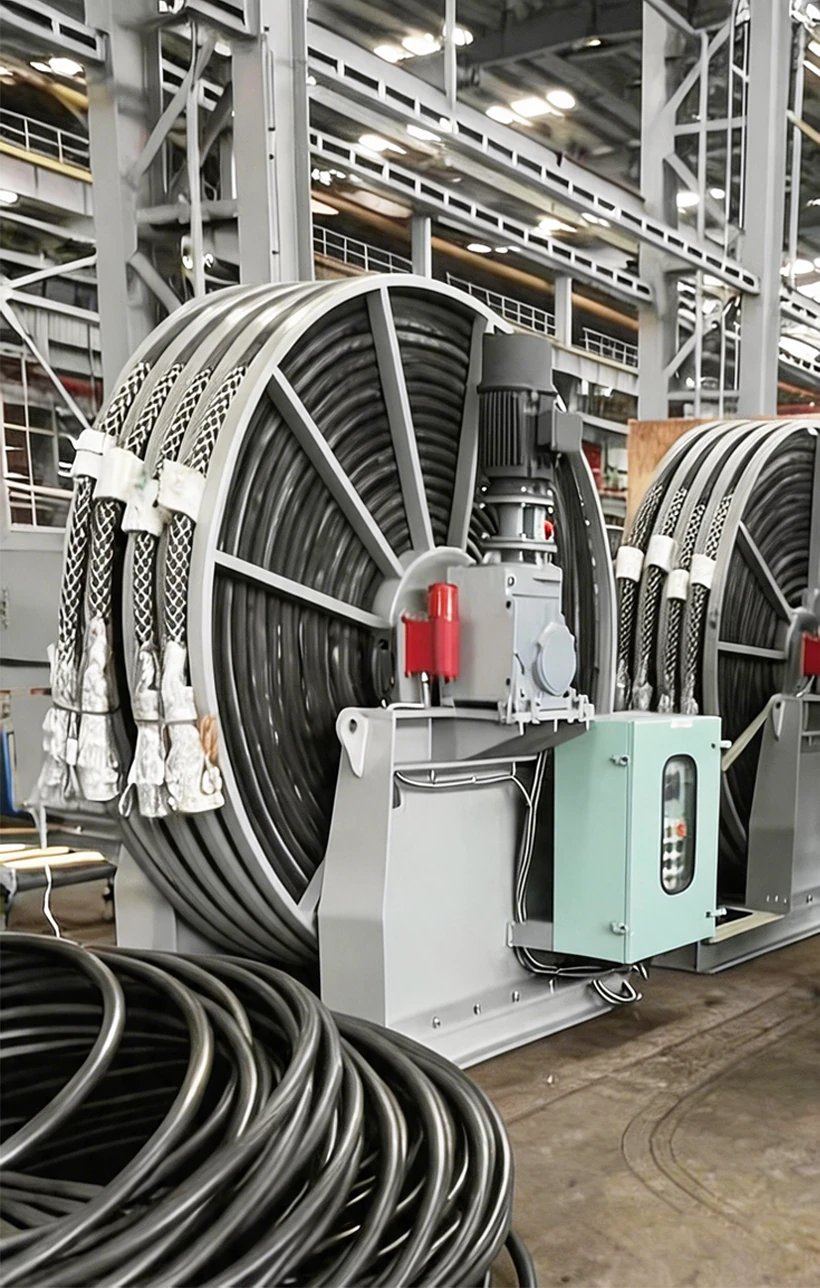
Stores and manages the vessel-side cable set, enabling controlled deployment and recovery during connection and departure.
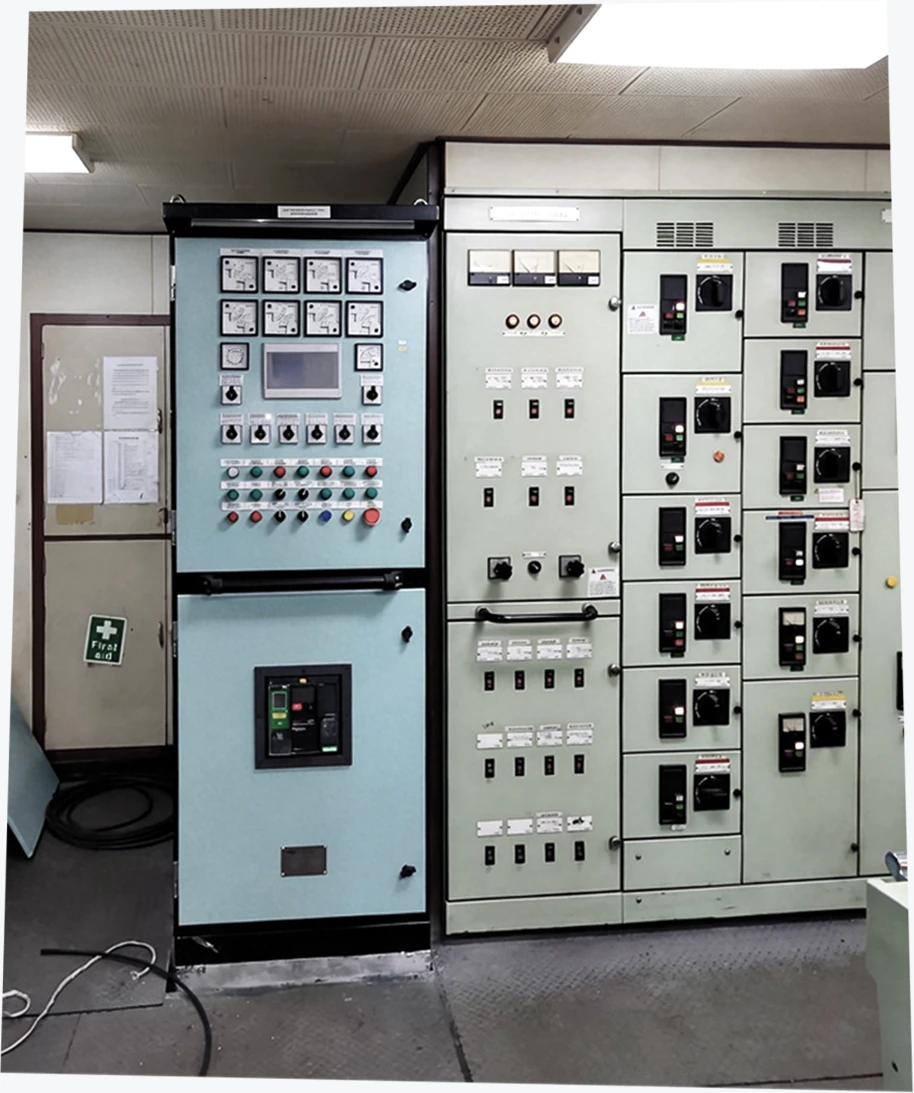
Receives incoming shore supply onboard and integrates switching, metering and protective functions before distribution to ship systems.
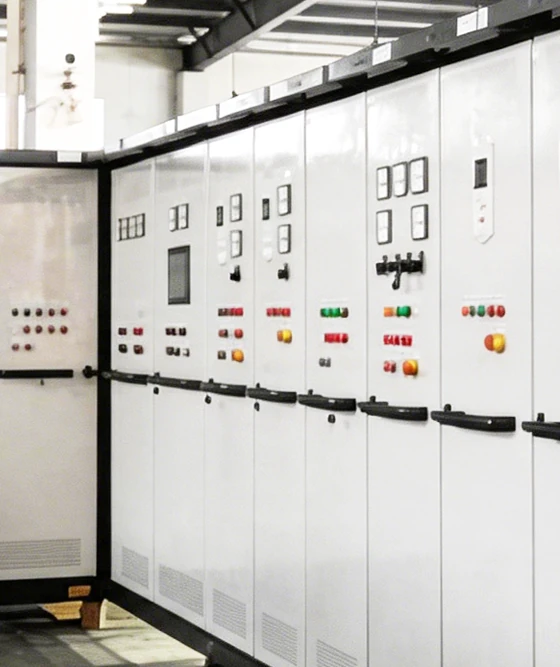
Manages source changeover, synchronising and coordinated protection to support reliable transfer between onboard and shore power modes.
We combine survey, design, manufacturing, installation, documentation and after-sales support into one coordinated delivery process.
Collect vessel particulars, operating conditions and energy demand, then complete an initial scheme review to define the project baseline.
Inspect installation space, piping routes, electrical conditions and construction feasibility so the design matches the real vessel environment.
Develop a class-aligned solution tailored to vessel type and route, confirm technical parameters, then execute standardised manufacturing under full quality control.
Provide turnkey installation or standardised guidance, covering equipment, engineering, cabling, valves, foundations and class submission support, followed by professional commissioning.
Deliver drawings, equipment documents, test reports, certificates, O&M manuals and spare-parts lists, with data visibility and responsive after-sales service backed by a 12-month warranty.
Send the port voltage and frequency, vessel load, interface type, cable distance and whether synchronising or frequency conversion is required for an initial technical review.
Hissen Marine coordinates the technical package, partner yard and supplier resources, owner decisions, class interfaces and daily execution reporting within one project framework.
Convert survey findings and owner requirements into a measurable work list, specification and responsibility matrix.
Coordinate quotations, technical clarifications, material readiness and specialist attendance through qualified partners.
Track critical-path work, variations, procurement status and completion evidence throughout the docking window.
Support inspections, test records, punch-list closure and owner acceptance for a controlled return to service.
We review drawings, inspection history, class due items, long-lead materials, access conditions and shutdown dependencies before work begins. Dock capacity and final execution resources are confirmed through partner yards for each project.
The final work list is built around vessel condition, class survey status, operating priorities and the selected yard's capabilities.
| Survey planning | Annual, intermediate and special survey coordination; inspection access and test planning |
|---|---|
| Hull & structure | Steel renewal, inserts, hatch and deck repairs, sea-chest and tank work |
| Machinery | Main and auxiliary machinery, propulsion, shaftline, rudder, thruster and crane support |
| Pipe & valves | Overboard valves, piping renewal, pressure testing and system reinstatement |
| Electrical & automation | Switchboards, drives, cabling, alarms, controls, navigation and safety-system coordination |
| Surface & underwater | Blasting, coating, hull treatment, propeller polishing and underwater inspection |
Work packages can be delivered individually or combined into one owner-side docking management programme.
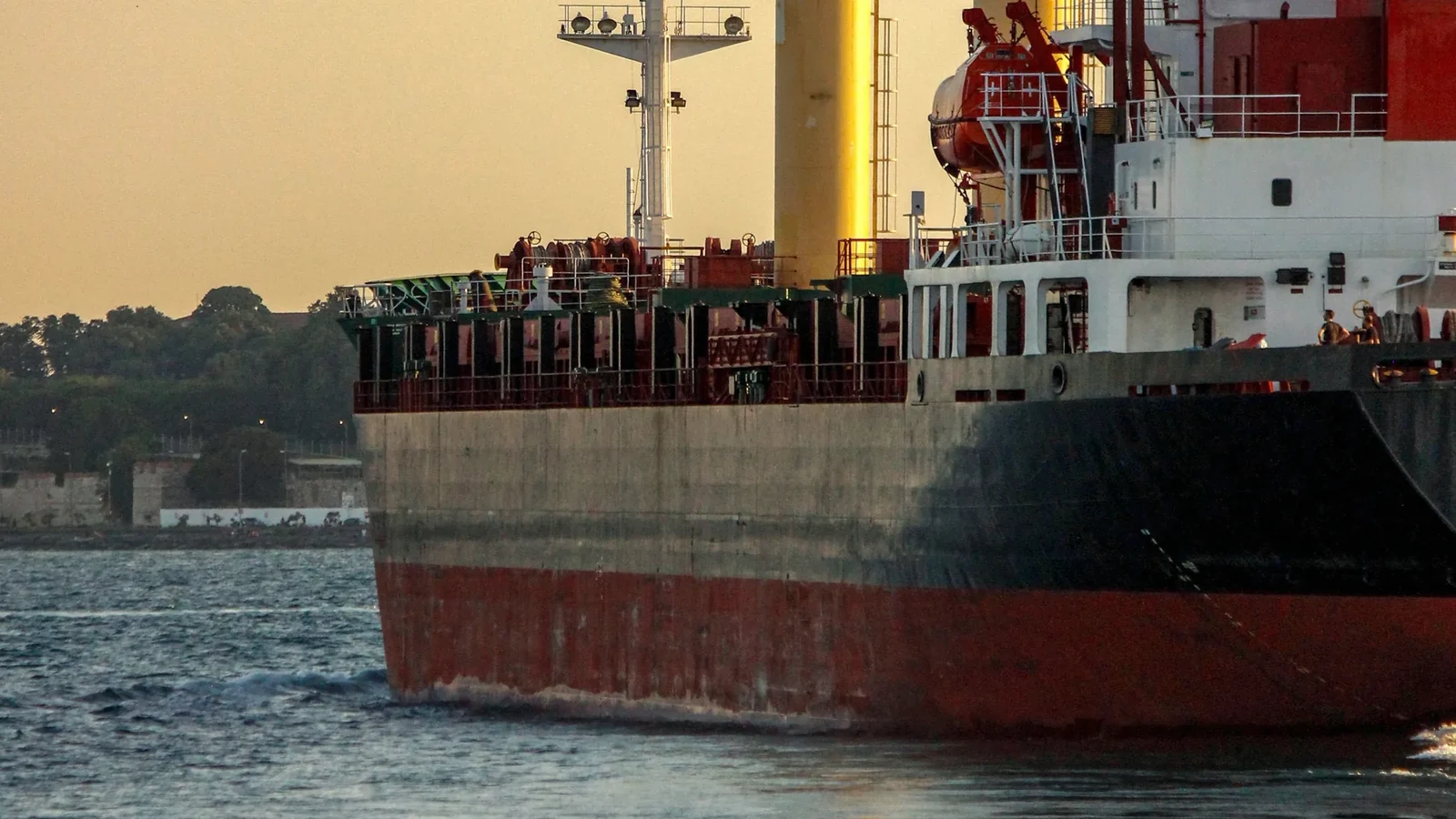 Class surveys & inspections
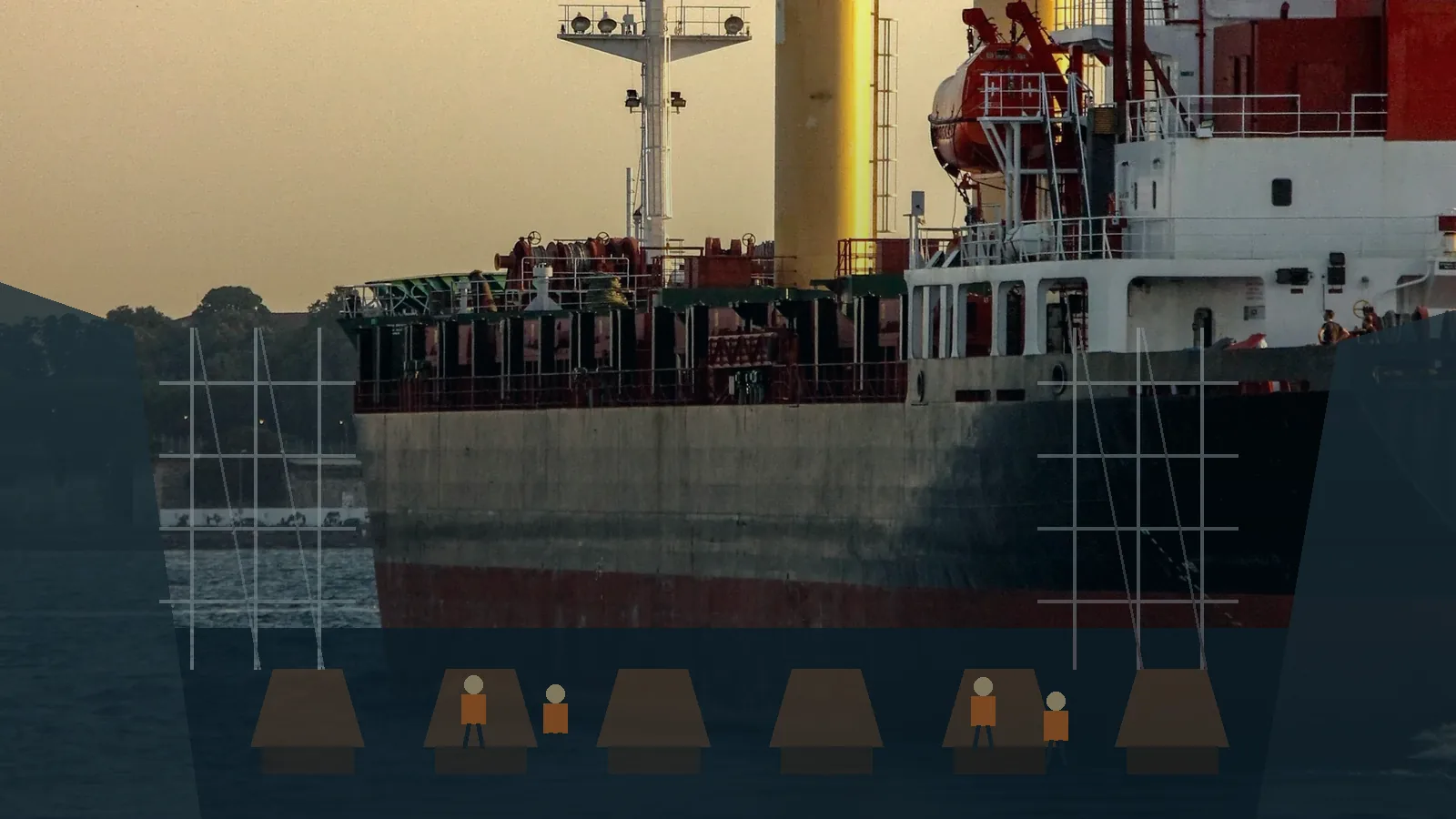 Hull, steel & coating
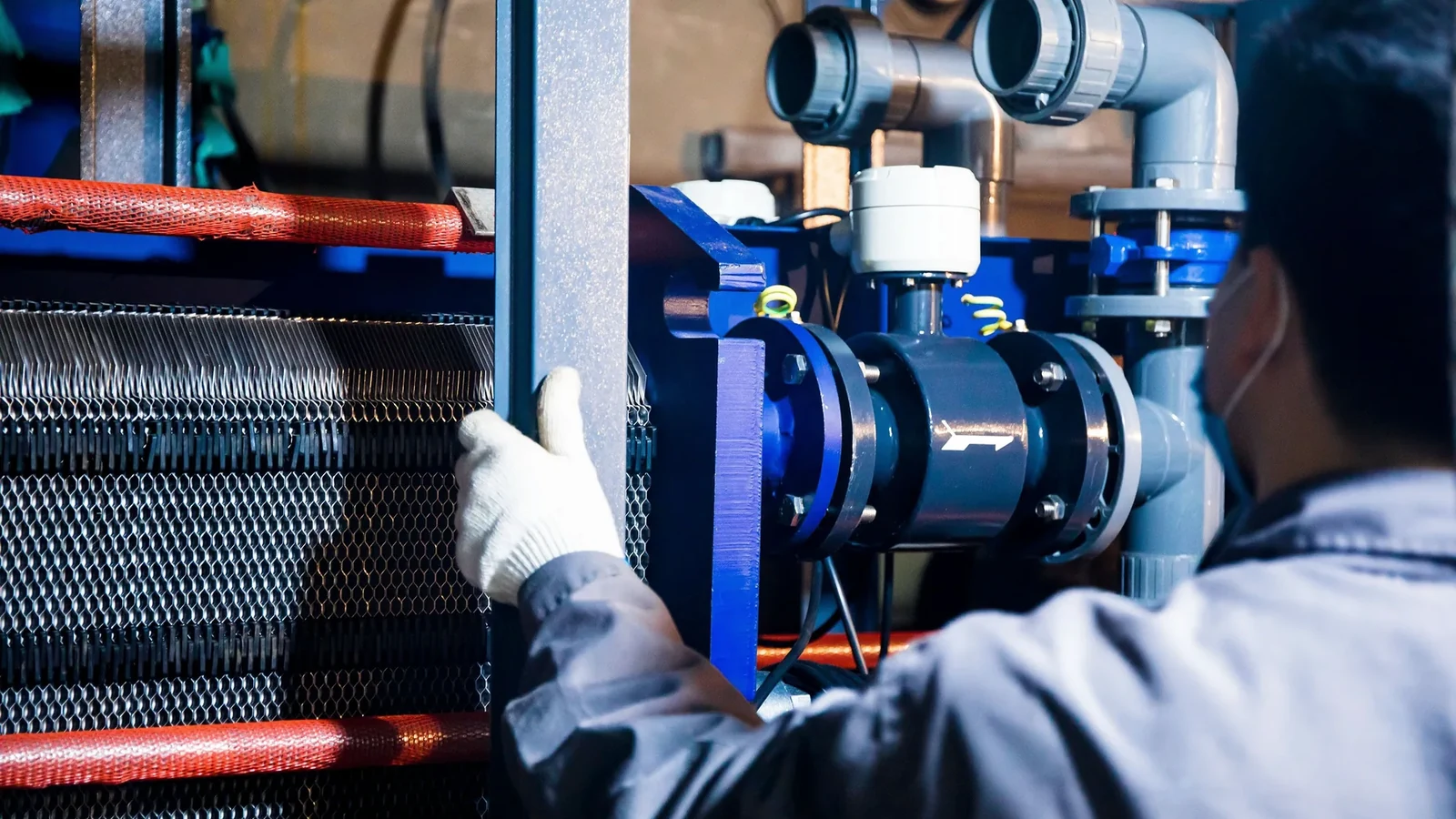 Propulsion & machinery
 Pipework & valves
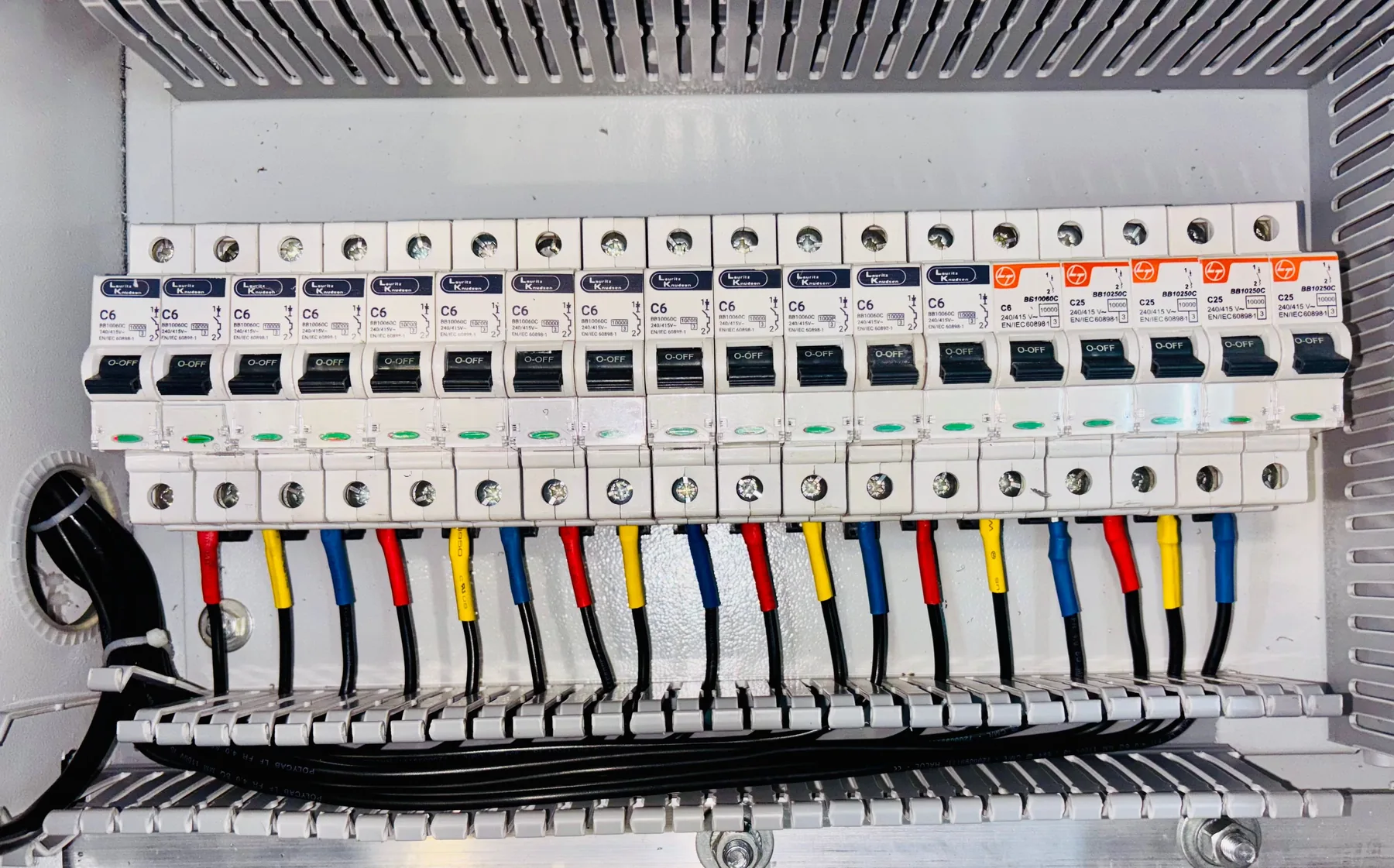 Electrical & automation
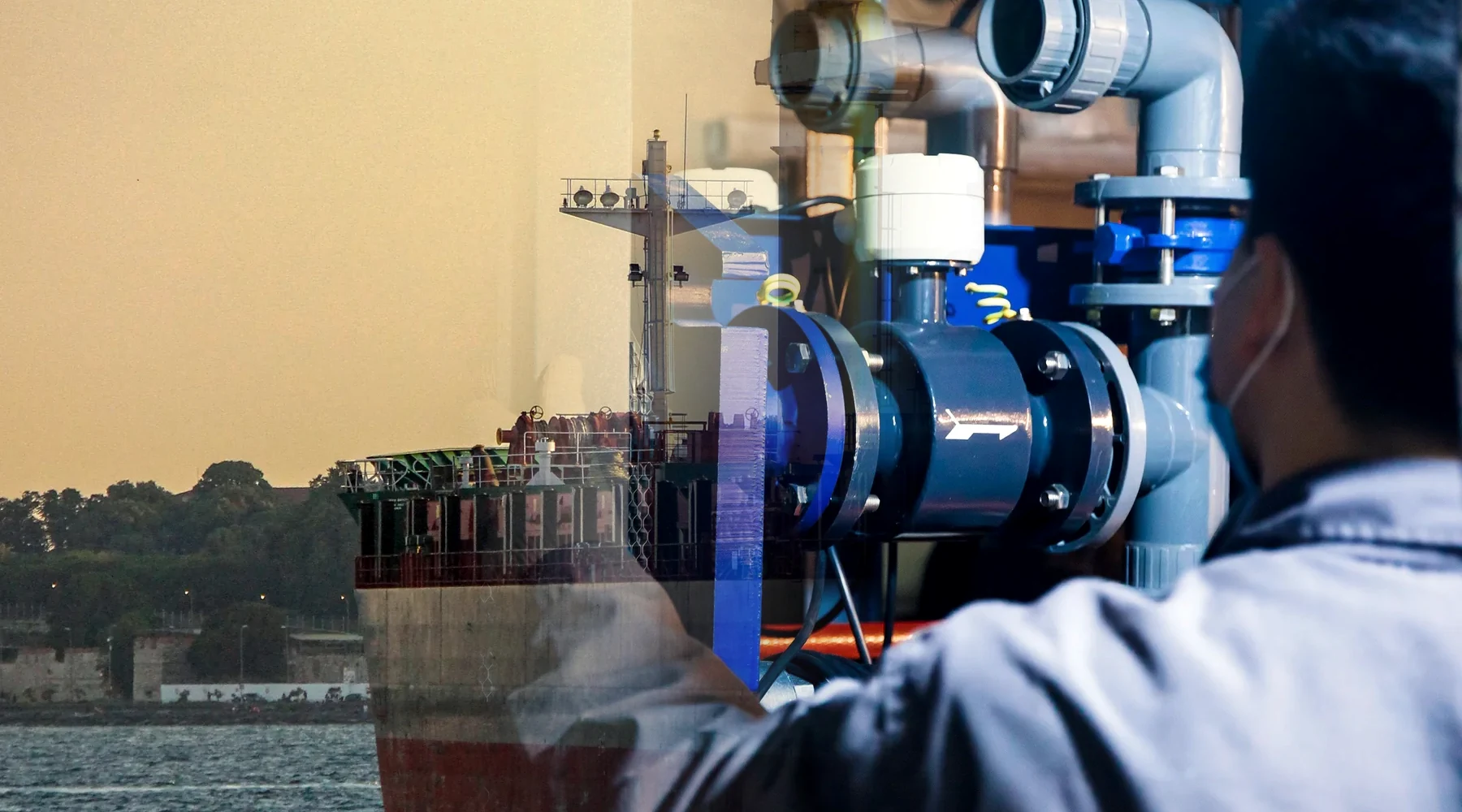 Retrofits & conversions
Use the map dots or the synchronised directory to select a yard. Scroll over the map to zoom on desktop; use two fingers to pinch and pan on mobile. Detailed information appears immediately below.

| FACILITY | TYPE | L×W (M) | DWT (T) | CRANE | REMARK |
|---|
Structured around the working practices of major Chinese repair yards.
Review docking scope and shortlist suitable Chinese yards.
Coordinate yard quotations and confirm the docking plan before arrival.
Coordinate docking work and control progress, quality and additional scope.
Complete testing, class attendance and sea trial verification.
Close punch items, verify final costs and complete redelivery.
Send the vessel particulars, survey status, expected docking window and preliminary work list for an initial review.