Up to 70% lower energy use
In suitable high-variation load profiles, variable-speed operation can significantly reduce unnecessary motor power consumption compared with conventional fixed-speed operation.

Marine equipment covering MAN engine spares, VFD and fuel heating, liquid-cargo insulation, liquefied-gas analysis and monitoring, cryogenic valves and vacuum pumps, selected around marine environment, interfaces, certification and lifecycle maintenance.
VFDs match pump and fan speed to actual demand instead of forcing motors to run continuously at full speed. For vessels with highly variable auxiliary loads, the energy-saving potential can be substantial.
In suitable high-variation load profiles, variable-speed operation can significantly reduce unnecessary motor power consumption compared with conventional fixed-speed operation.
For projects with sufficient operating hours and energy-saving headroom, estimated retrofit payback can be approximately 6–12 months, creating continuing savings thereafter.
The solution is tailored for vessel-specific requirements such as coordinated operation of multiple pumps and fans, highly variable operating conditions and high stability requirements, helping maintain reliable operation while improving energy efficiency.
Actual energy savings and payback depend on the vessel load profile, operating hours, electricity/fuel cost, equipment condition and retrofit scope, and are confirmed through project-specific calculation and onboard data.
The final package is defined from onboard survey data, motor loads, control philosophy, interface conditions and class requirements.
The delivery model can be adapted to vessel schedule, docking window, installation conditions and the owner’s preferred scope of supply.
Collect vessel parameters, operating conditions and energy demand; inspect installation space and construction constraints; and complete the initial technical and savings assessment.
Use survey data and vessel operating characteristics to define the control strategy, equipment selection, interfaces and expected efficiency improvement for the specific vessel and route profile.
Provide an integrated scope covering equipment, engineering, cabling, foundations, installation and commissioning, or supply standardised installation guidance and remote support according to the owner’s preferred delivery model.
Use operating and energy data collected by the monitoring system to quantify pre- and post-retrofit performance and verify the achieved energy-saving result against the agreed evaluation method.
Eligible equipment is covered by a three-year replacement service rather than repair, excluding damage caused by misuse or force majeure. Scheduled six-month and annual inspection, cleaning, performance testing and system-update services can be provided together with continuous online technical support.
From CCS compliance and PLC power regulation to element loading and welding quality, the system is designed for dependable long-term operation onboard.
One of the earliest domestic manufacturers to meet the latest CCS requirements for marine electric-heating equipment.
Grouped PLC control enables stepless power regulation with high accuracy and reduced impact on the onboard electrical network.
Four coordinated protection layers cover pressure, heater-surface temperature, fuel outlet temperature and sensor-fault shutdown.
A dedicated transition-sleeve and automated welding process strengthens the element-to-flange connection and minimizes leakage risk.
A controlled annealing process maintains accurate annealing temperature for stable material performance and service life.
Heating elements are selected to a high standard with low surface loading for gentler heating, reduced coking and improved operating safety.
Compact equipment reduces installation demand while keeping operation straightforward, maintenance accessible and performance reliable.
We match heating duty, element surface loading, control logic, sensors and protection to the vessel's fuel properties, operating profile, installation space and power conditions. For the shipowner, this means more stable fuel temperature, faster control response, lower routine maintenance demand and easier integration into existing automation systems.
The differences are in the control architecture, protection logic, element loading and manufacturing process — the details that matter most after years of onboard operation.
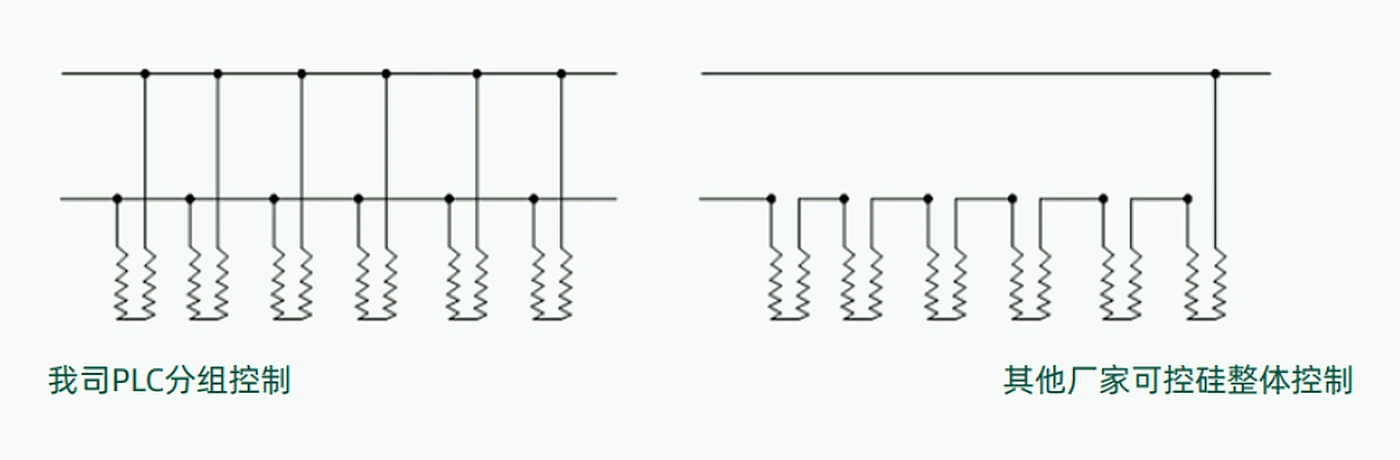
Heating groups can be switched independently. Any individual group can be taken out of service without stopping the complete heater, extending service life and reducing maintenance cost.
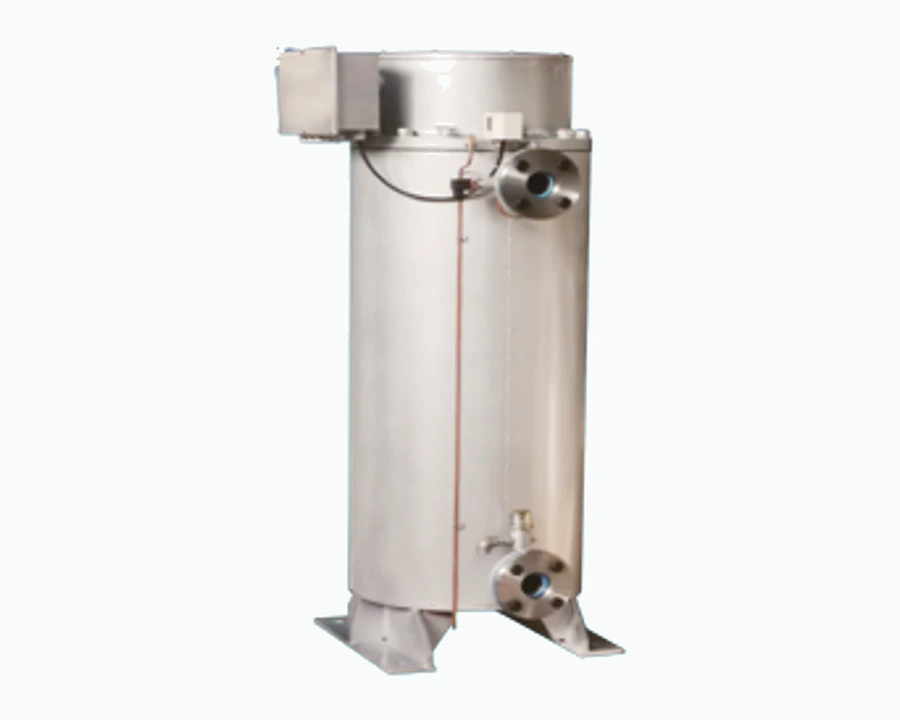
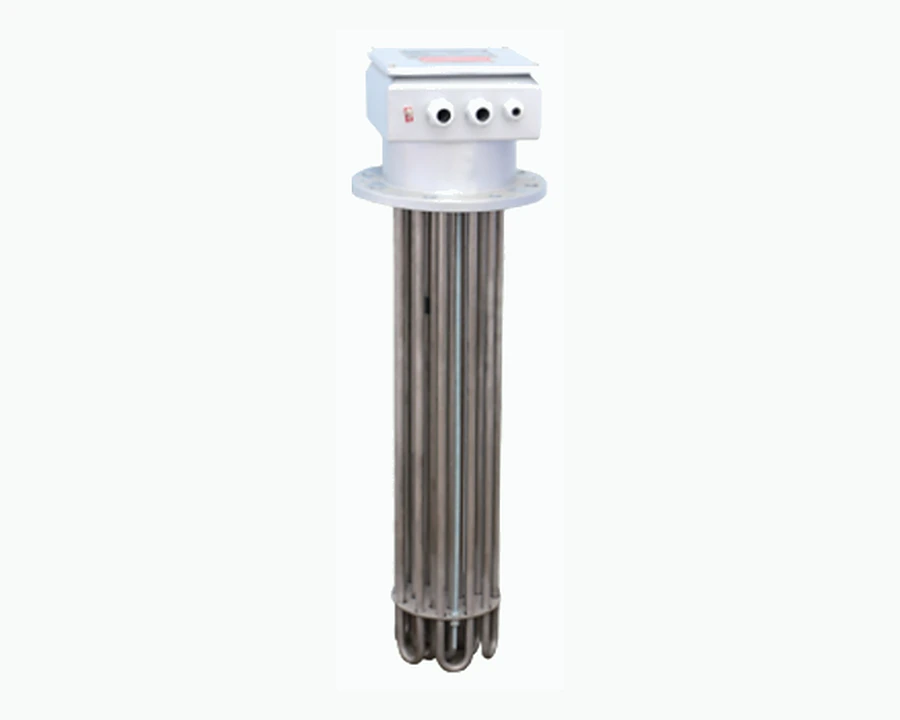
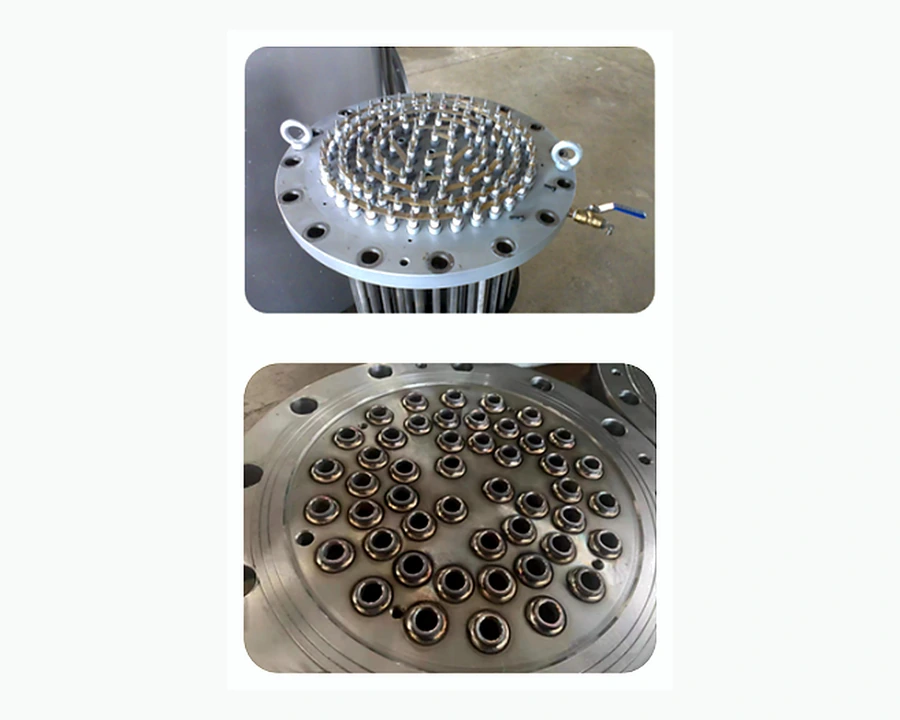
The final package can integrate heater body, PLC control cabinet, sensors, protection devices, interfaces, drawings, commissioning support and recommended spares according to the vessel arrangement.
| Heating medium | Fuel oil, water, air, gas and project-specific media |
|---|---|
| Power supply | Configured to onboard AC power system |
| Power regulation | Contactor stages, SSR or thyristor control |
| Materials | Carbon steel, stainless steel or project-specific alloy |
| Installation | Inline, skid-mounted or tank-mounted |
Collect vessel parameters, operating profile and energy demand, then inspect installation space, piping, electrical conditions and construction feasibility onboard to establish an accurate project basis.
Develop a vessel-specific design based on survey data, confirm technical parameters, evaluate energy-saving potential and issue a structured technical-commercial proposal.
Apply full-process quality control from incoming materials and fabrication through inspection and factory release to maintain stable performance and consistent build quality.
Provide turnkey supply and installation covering equipment, engineering, cables, valves and foundations, or standardized installation guidance and remote support. Commission the system and verify operating and energy-performance data after installation.
Operating and energy data can be uploaded to a management platform for visual monitoring. The complete unit carries a 12-month warranty; eligible failed parts are replaced during the warranty period with responsive technical support for long-term stable operation.