Integrated Engineering Solutions

High-efficiency Propeller

Re-match diameter, area ratio, pitch and blade section to the vessel duty profile

Selected capability

High-efficiency Propeller

Re-match diameter, area ratio, pitch and blade section to the vessel duty profile

A high-efficiency propeller is not a like-for-like replacement; it is re-matched to wake field, engine duty, shaft-line constraints and cavitation margins. It can support newbuilds or retrofits involving EPL/engine derating, changed service speed or other ESDs.

01Customise propeller geometry around route, speed and loading requirements
02The supplied reference states an indicative 3–8% saving range for high-efficiency propellers; vessel-specific calculation/testing is required
03Can be co-optimised with pre-swirl duct, boss-cap fins and rudder bulb
Discuss this project
High-efficiency Propeller
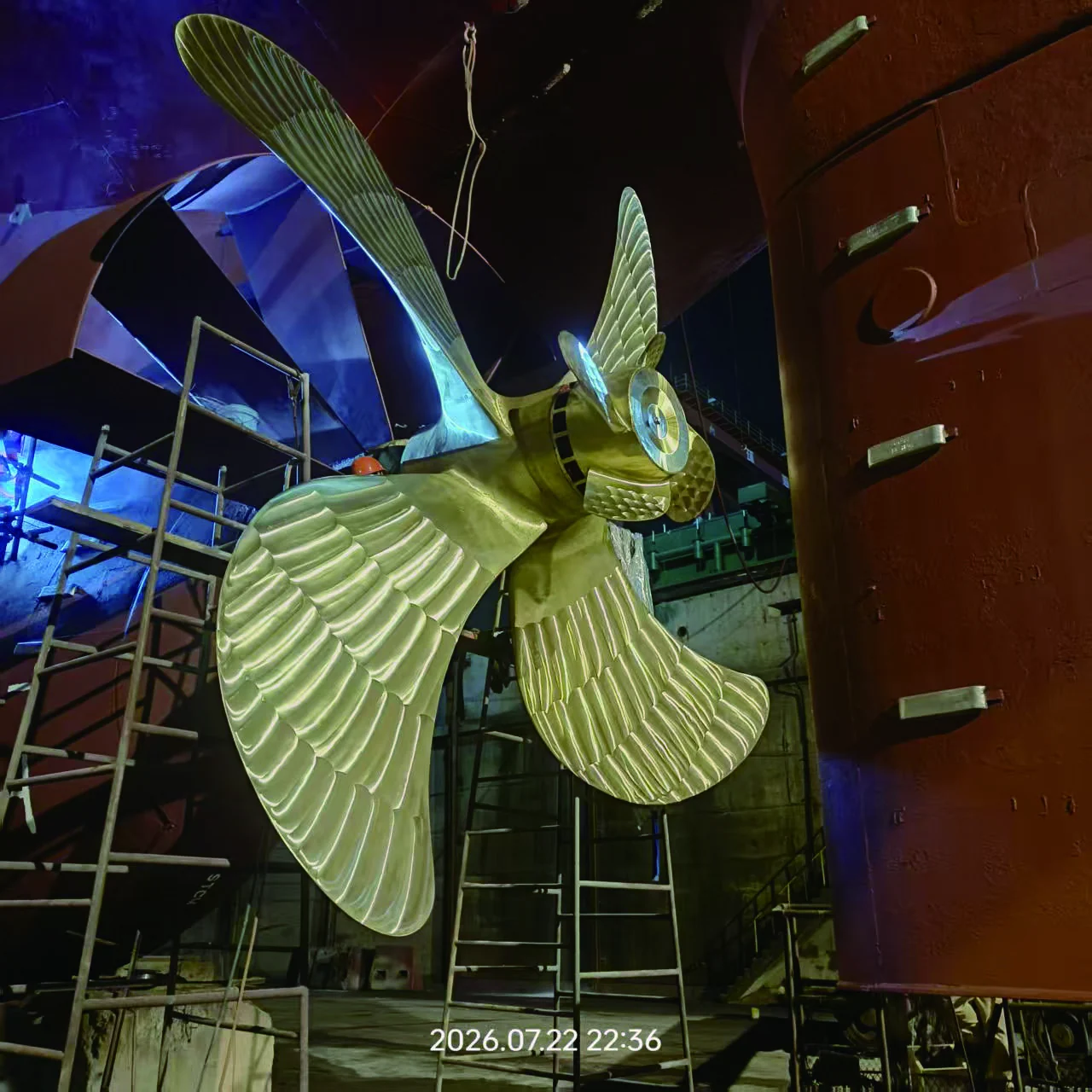
High-efficiency propeller reference image
High-efficiency Propeller schematic
Technical principle / system relationship
System relationship

Make the interfaces clear before equipment selection.

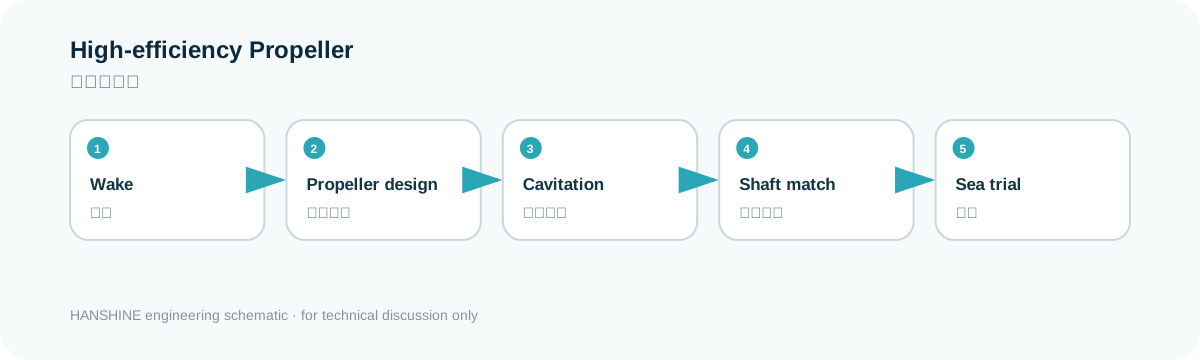
This flow is a quick view of the system boundary. Final quantities, interfaces and configuration remain vessel- and project-specific.

01Wake
02Propeller design
03Cavitation
04Shaft match
05Sea trial
01

Typical configuration & scope

  • Wake/CFD analysis
  • Optimisation of diameter, blade count, pitch and sections
  • Cavitation, strength and vibration checks
  • Manufacture, inspection and balancing
02

Information required

  • Hull lines and wake data
  • Existing propeller drawings and condition
  • Engine power/rpm limitations
  • Actual speed, drafts and operational changes
03

Engineering focus

  • Check engine loading and shaft-line limitations together
  • Treat cavitation/noise/vibration as design constraints
  • Define baseline and correction method for sea-performance verification
04

Standards & technical basis

  • Class propeller rules
  • ISO/yard manufacturing standards as applicable

Applicable rules, certificates and approval scope are confirmed against vessel class, flag and contract requirements.

From data to delivery

One delivery logic, with engineering depth adapted to each capability.

  1. 01Define duty & constraints
  2. 02Engineering / selection / interfaces
  3. 03Manufacturing / sourcing / approvals
  4. 04Installation / commissioning / verification
  5. 05Handover / lifecycle support